
George Investment Plan
Company: Erste Bank / George Labs
Role: Lead Product Designer
Year: 2021 – 2023
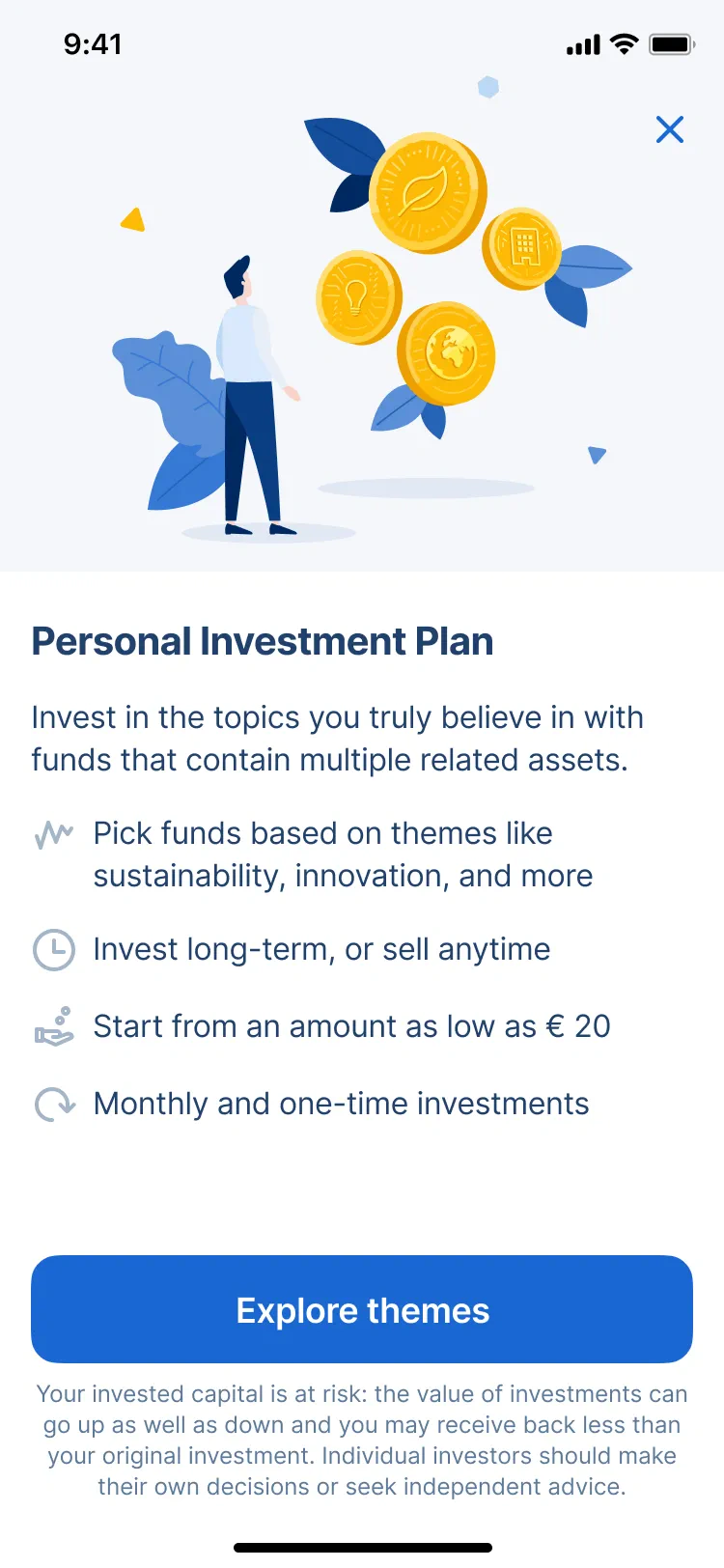
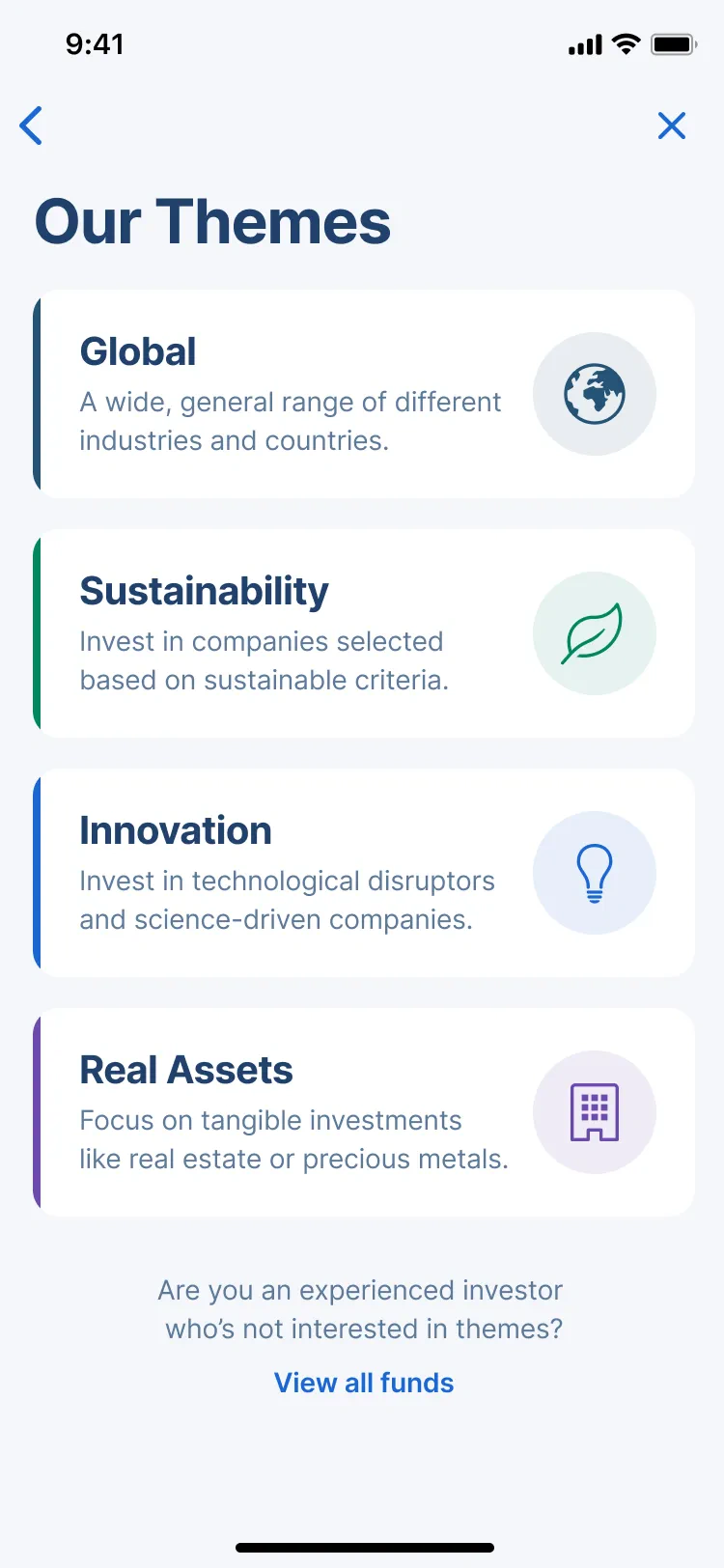
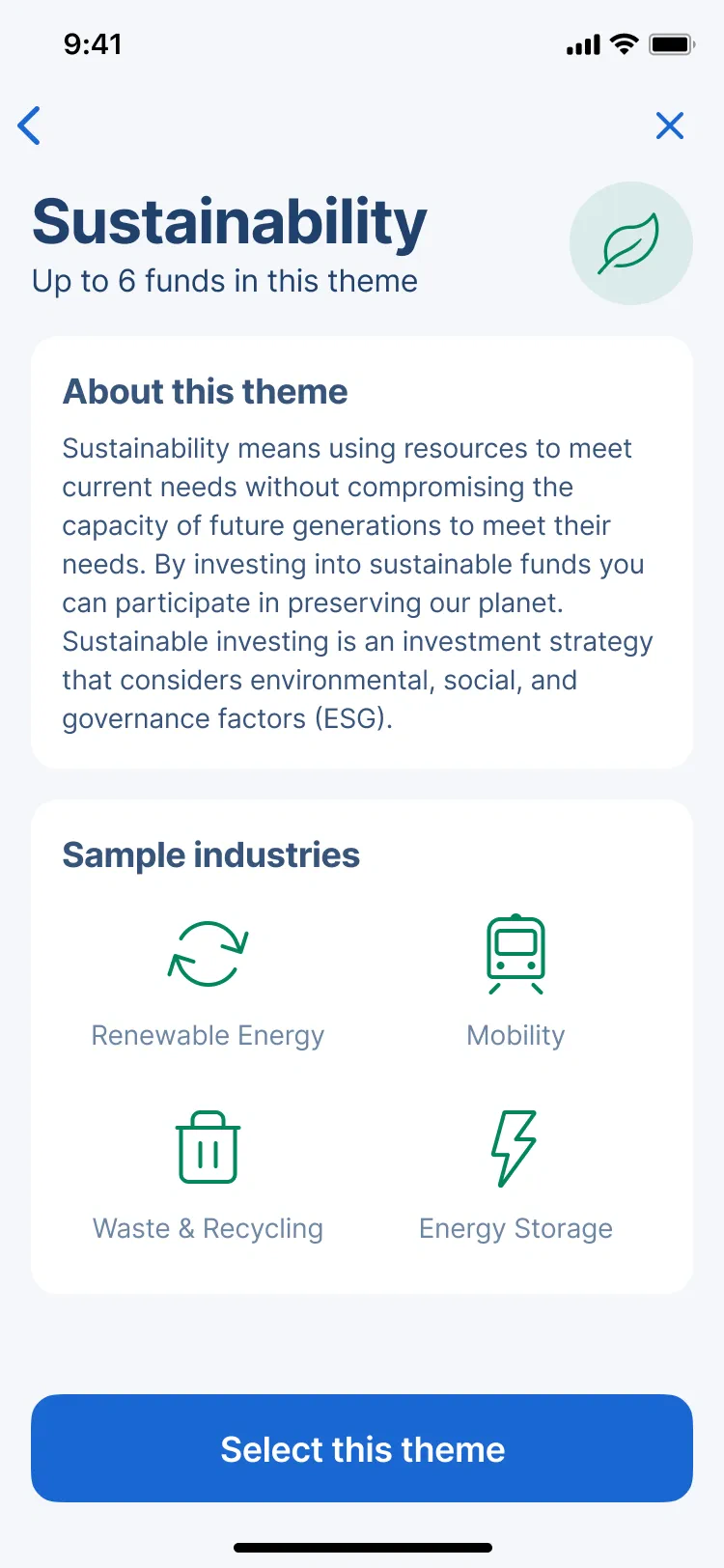
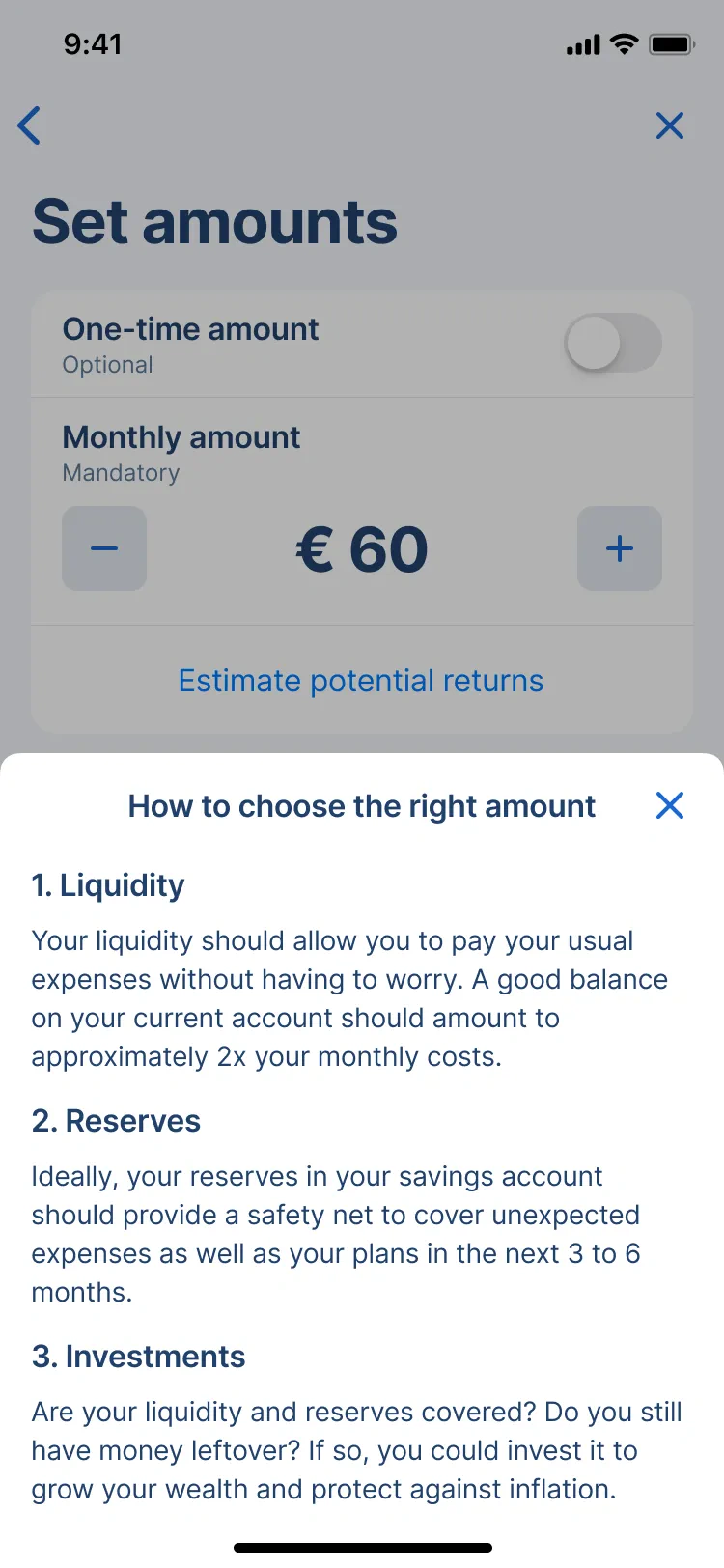
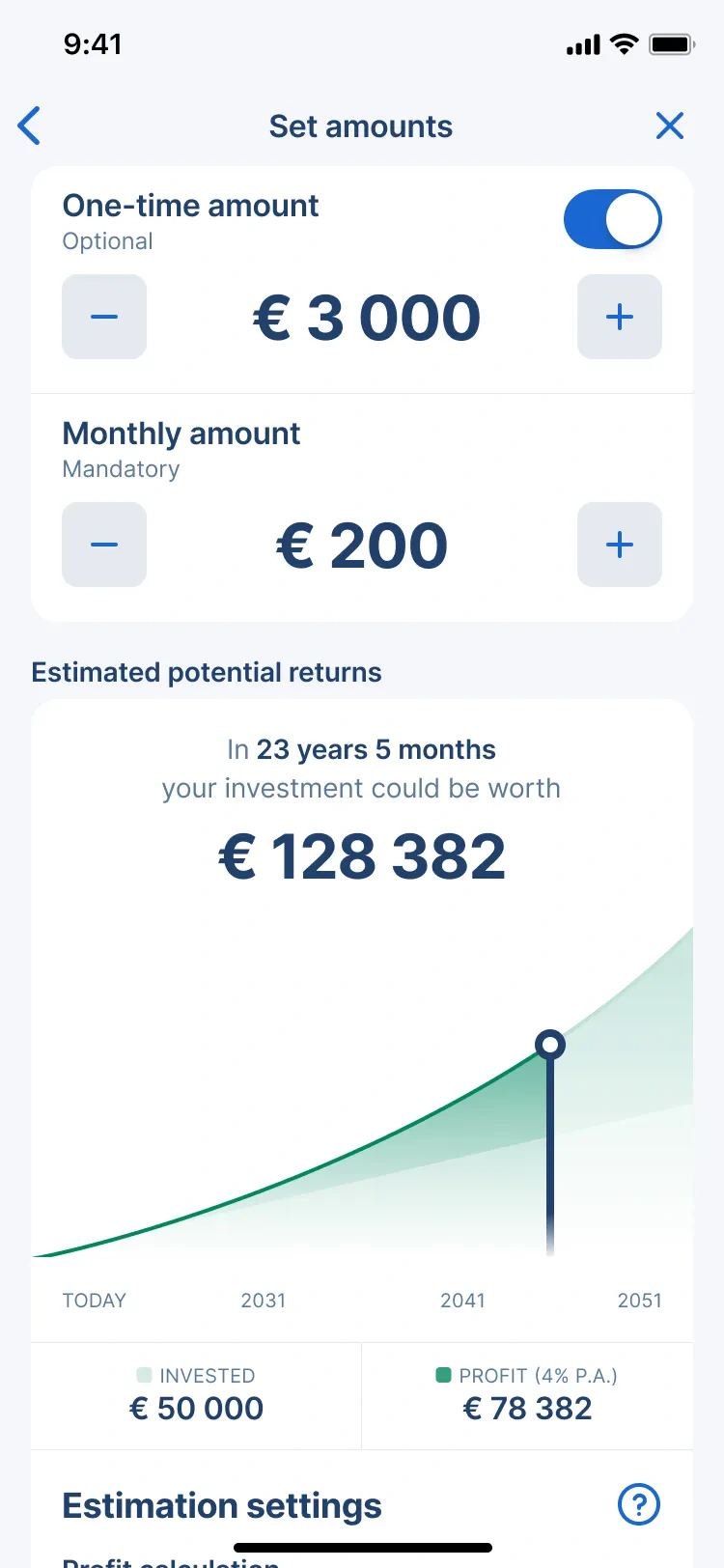
An investment flow for mass-market users offering theme-based funds like Global, Sustainability, Innovation and Real Assets. The typical customer would be a beginner investor — someone who kept their wealth in savings rather than investing it.
Work Context
Team Info
As the lead product designer on our investment team, I create features that grow our banking customers' wealth through our native online banking app on iOS and Android. I work closely with other roles, such as product owners, business analysts, and developers, to shape the product. I was selected as the first team member by the product owner and receive regular feedback from our design chapter.
1. Why
Understand the goal
We've noticed that many of our 8 million customers across 6 countries tend to accumulate their wealth in savings accounts and lose money due to inflation and negative interest rates. We aim to educate and convince these mainstream, risk-averse customers about the benefits of low-risk, long-term investments through our Personal Investment Plan product. This aligns with our mission to become a financial health company providing long-term wealth for everyday people.
2. Who
Define the audience
Our target group is retail banking customers who have excess liquidity available in their current or savings accounts, and are not vulnerable to financial shocks. We aim to educate and inform these potential investors about the benefits of growing their wealth through investments. Our goal is to tap into the market of beginner investors and help them make informed decisions, while also benefiting our banking business. This aligns with the global trend of other banks and financial analysts targeting retail customers for investments.
3. When and Where
Understand customer context and needs
Location
We launched our fintech product in the Czech Republic and Slovakia, with plans to expand to other markets. This decision was made in collaboration with local banks, and we worked closely with lead stakeholders to gather insights and conduct user testing. We also considered cultural and financial differences in each country.
Needs & Triggers
Our target users wanted to grow their wealth in a low-risk way. The trigger for them to start investing was a monthly excess amount of money. We also developed a financial health feature to make users aware of their monthly spending and potential for investment.
Feelings
Our target group was unsure, risk-averse, and wary about investments. We aimed to educate them about the benefits of low-risk investment options.
Platform
Our company metrics showed that mobile usage was growing while desktop usage was declining. We focused on developing the new feature primarily for mobile users, while also developing a desktop version later.
4. Ideate and Prioritize
Collect ideas and establish a timeline
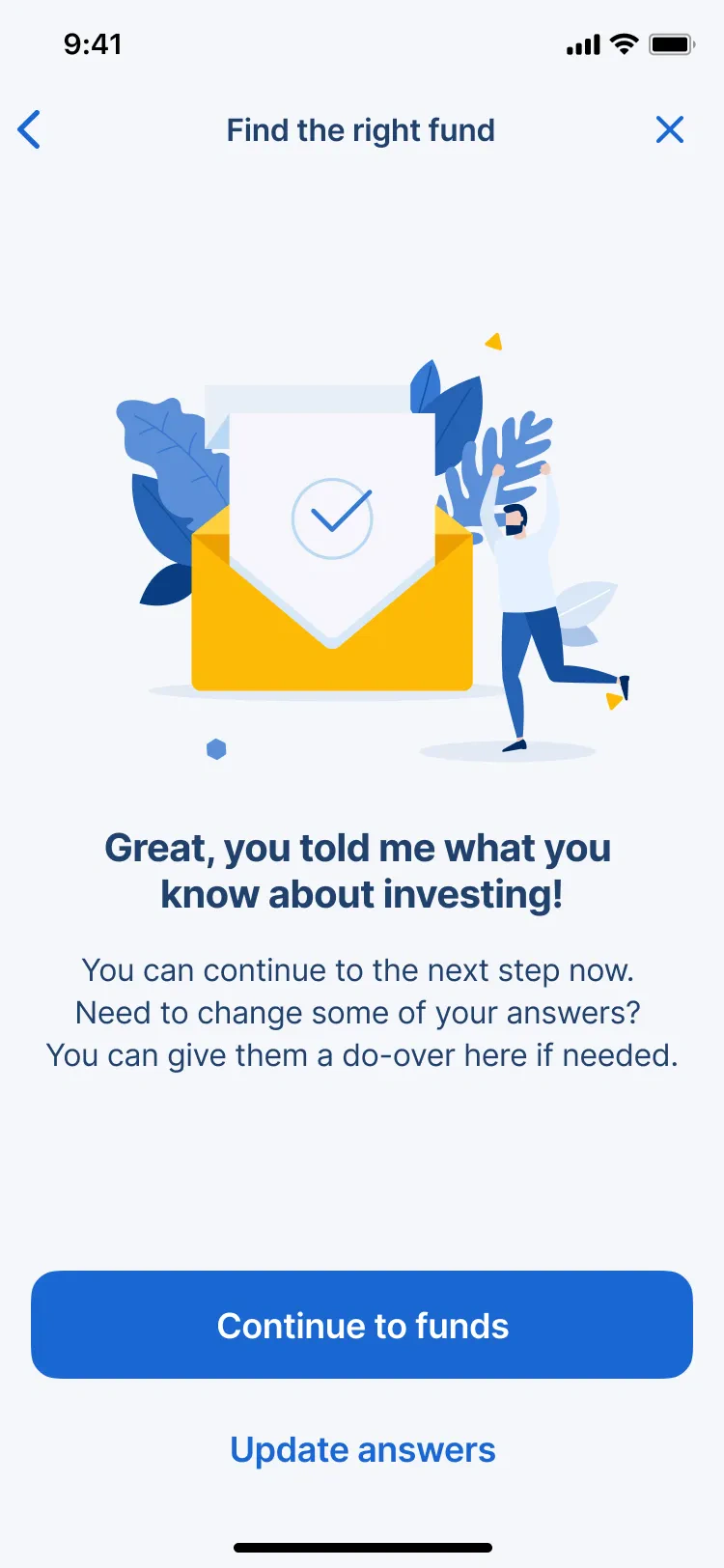
We implemented a modular, staggered release plan, constantly adding new functionality as we progressed. This allowed us to learn from the data of previous versions and improve the product as we went.
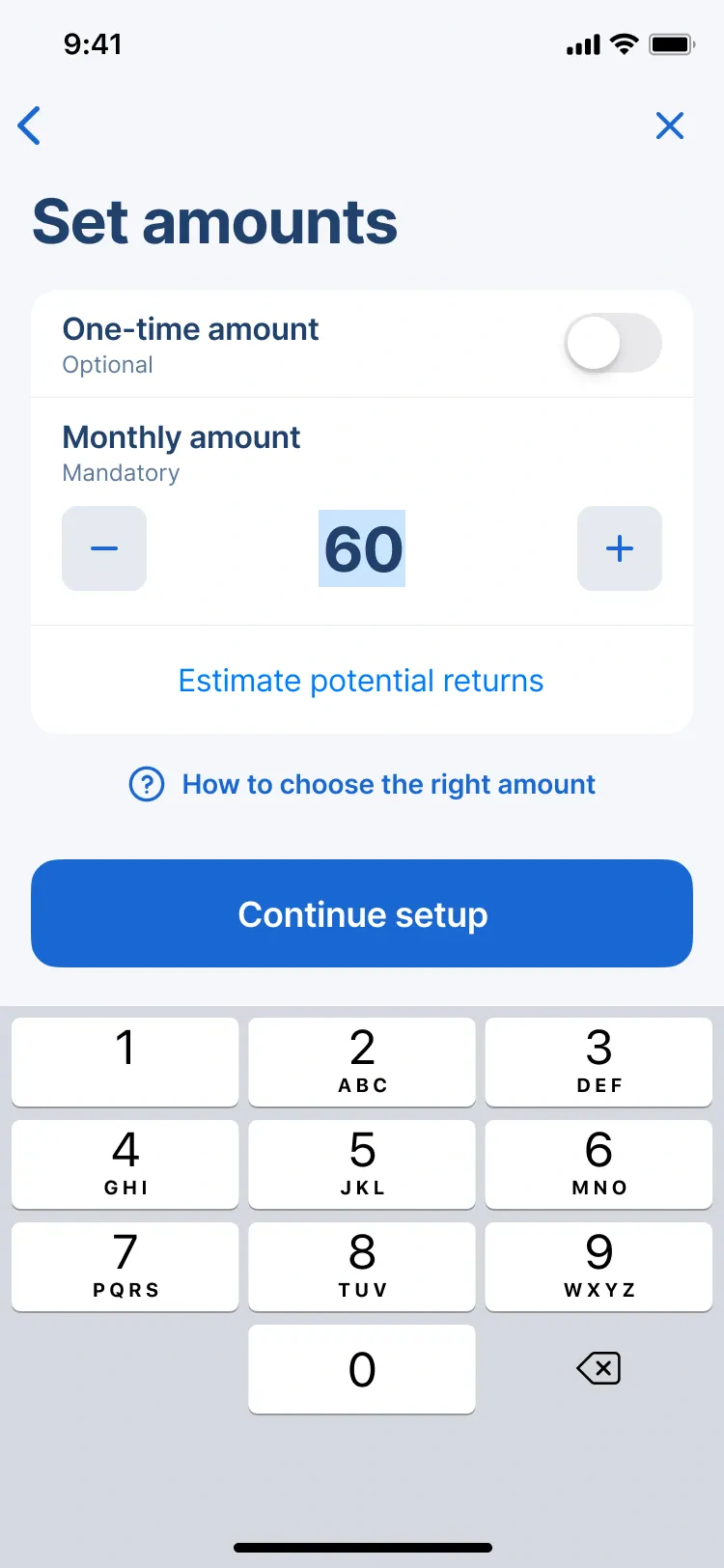
Our minimum viable product (MVP) offered the option for users to invest a recurring monthly amount into a fund of their choice. This approach allowed us to move quickly and still gather valuable insights.
Building on the MVP, version 1.0 added the option for users to invest an additional one-time amount at the start of the investment plan. We also adjusted the visual design to align with updates to our native design system.
Our final planned release, version 2.0, is still under wraps. This feature is the hardest to implement due to compliance and legal regulations, but will benefit the user the most.
5. Solve
Research, iterate,
and deliver
User tasks
I worked with the product owner and business analysts to outline the basic user tasks needed to invest.
Competitive analysis
I used the platform 11:FS Pulse to gather insights from similar products. This helped validate our initial assumptions by seeing the decision-making of our competitors.
Low-fidelity wireframes
I created lo-fi wireframes to visualize the user journey and communicate the project to stakeholders. I also laid out the timeline of our staggered versions, which helped with buy-in from management regarding head count, budget, and implementation.
Interactive prototypes
After receiving feedback on the wireframes, I created interactive prototypes for user testing. The goal was to validate our assumptions and gather feedback on the user flow. I used ProtoPie to create the interactions as they would happen in the real app.
User tests
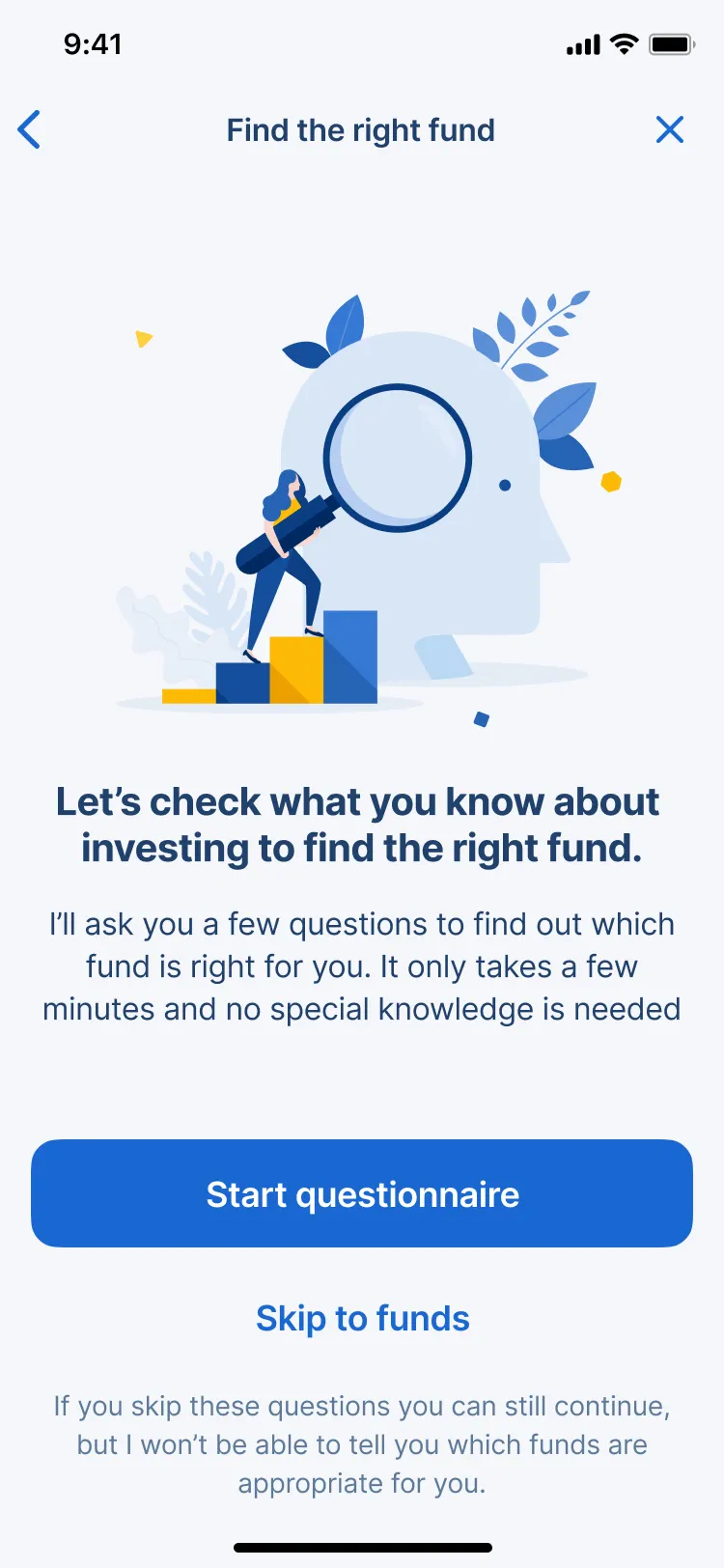
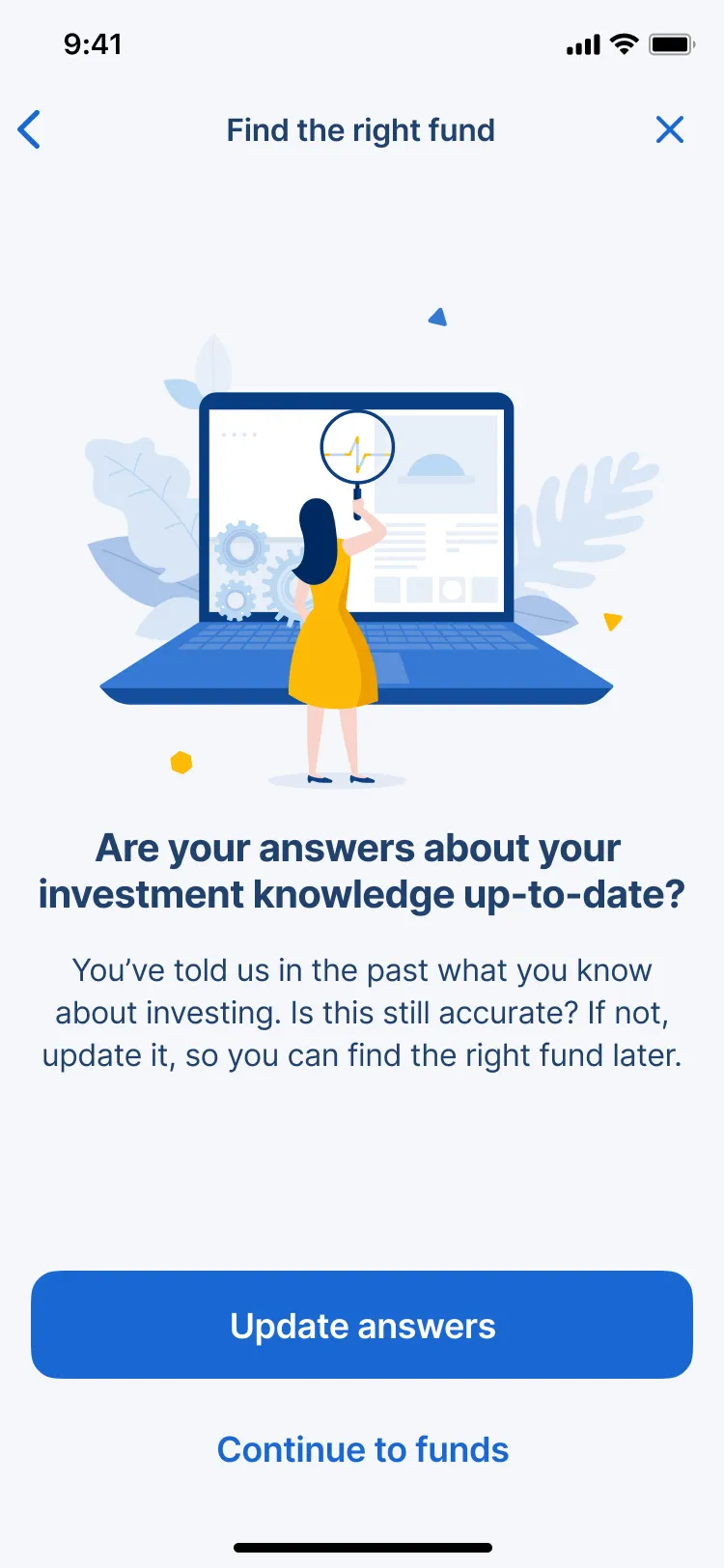
We conducted user tests on the prototypes in collaboration with local teams. We found that respondents liked the simple design. They found the themes to be tangible and easy to understand. However, most users expected to see company stocks and were missing concrete examples of what they were investing in.
High-fidelity designs
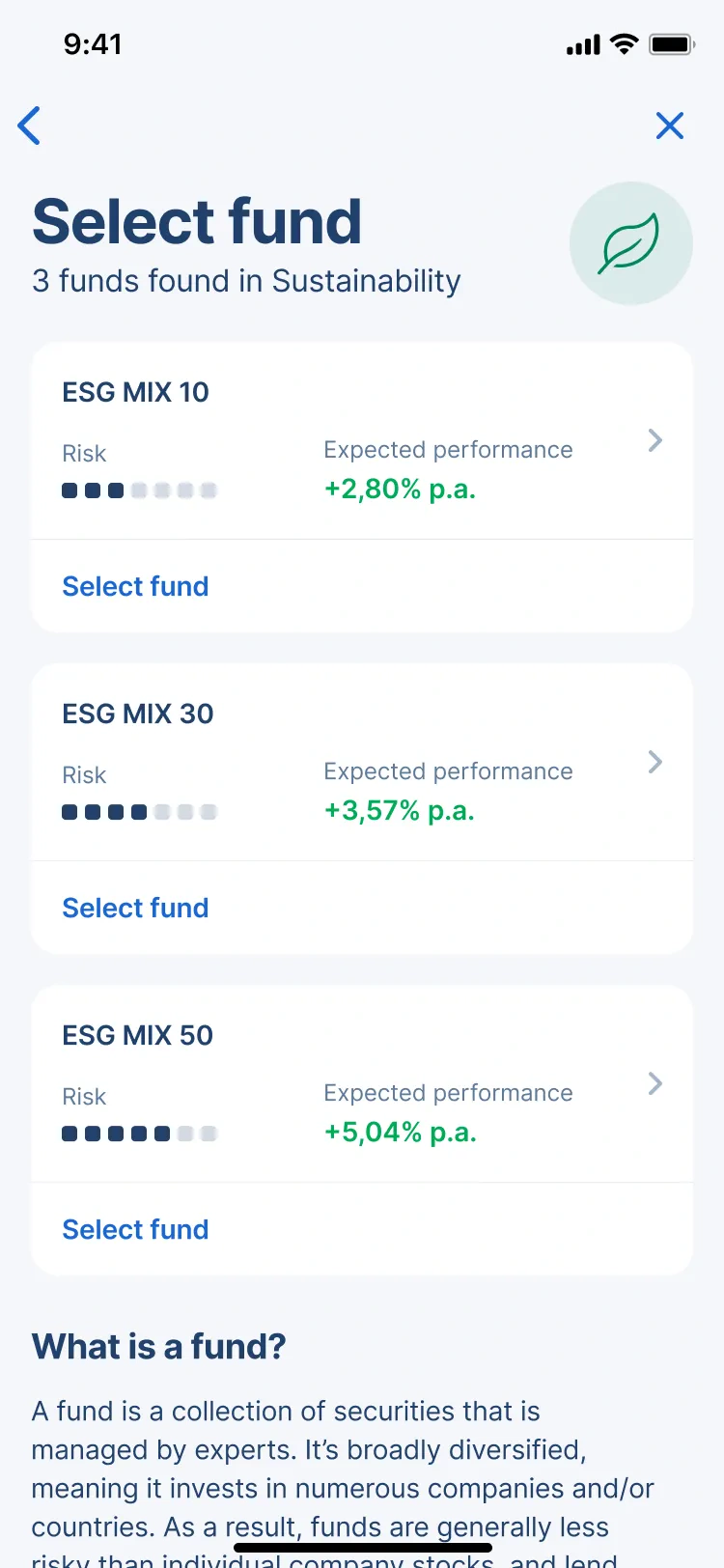
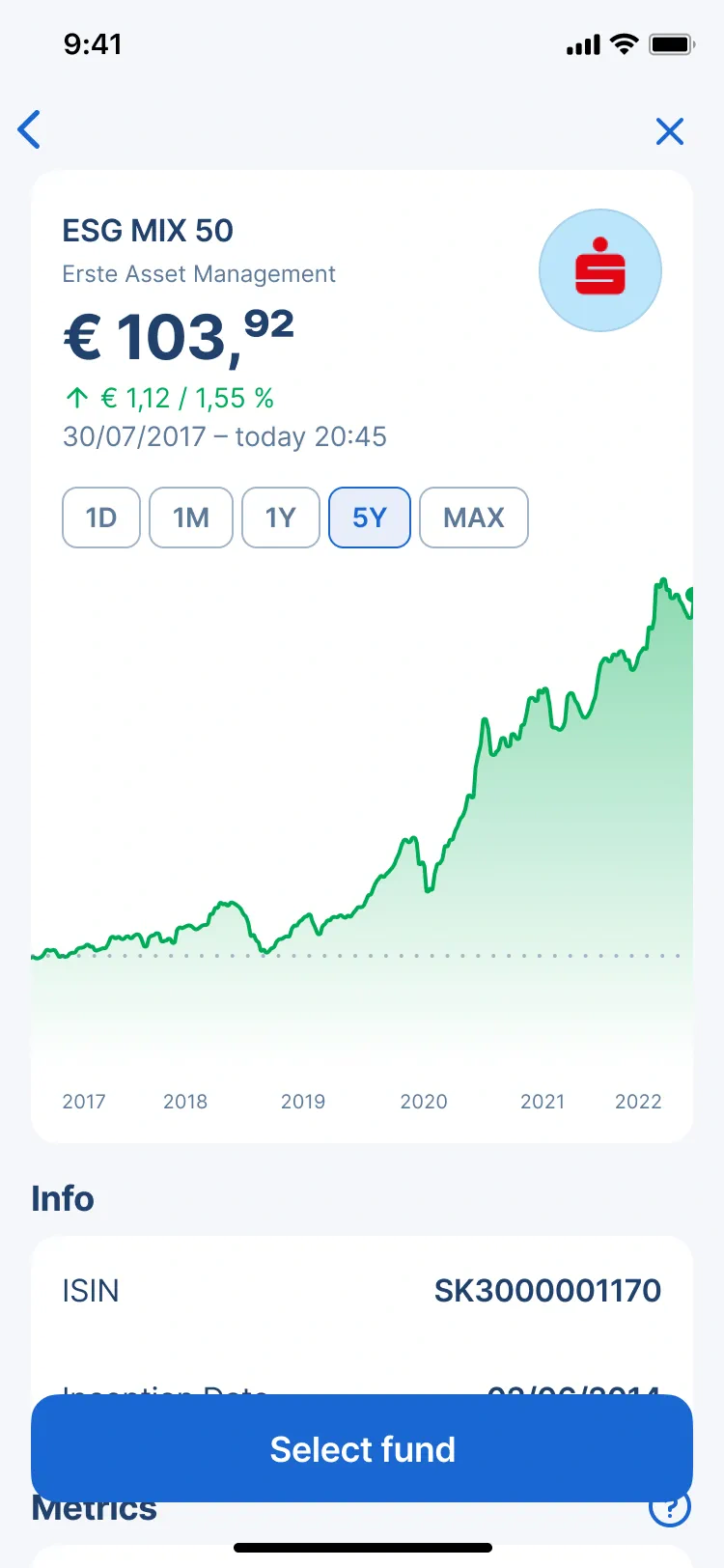
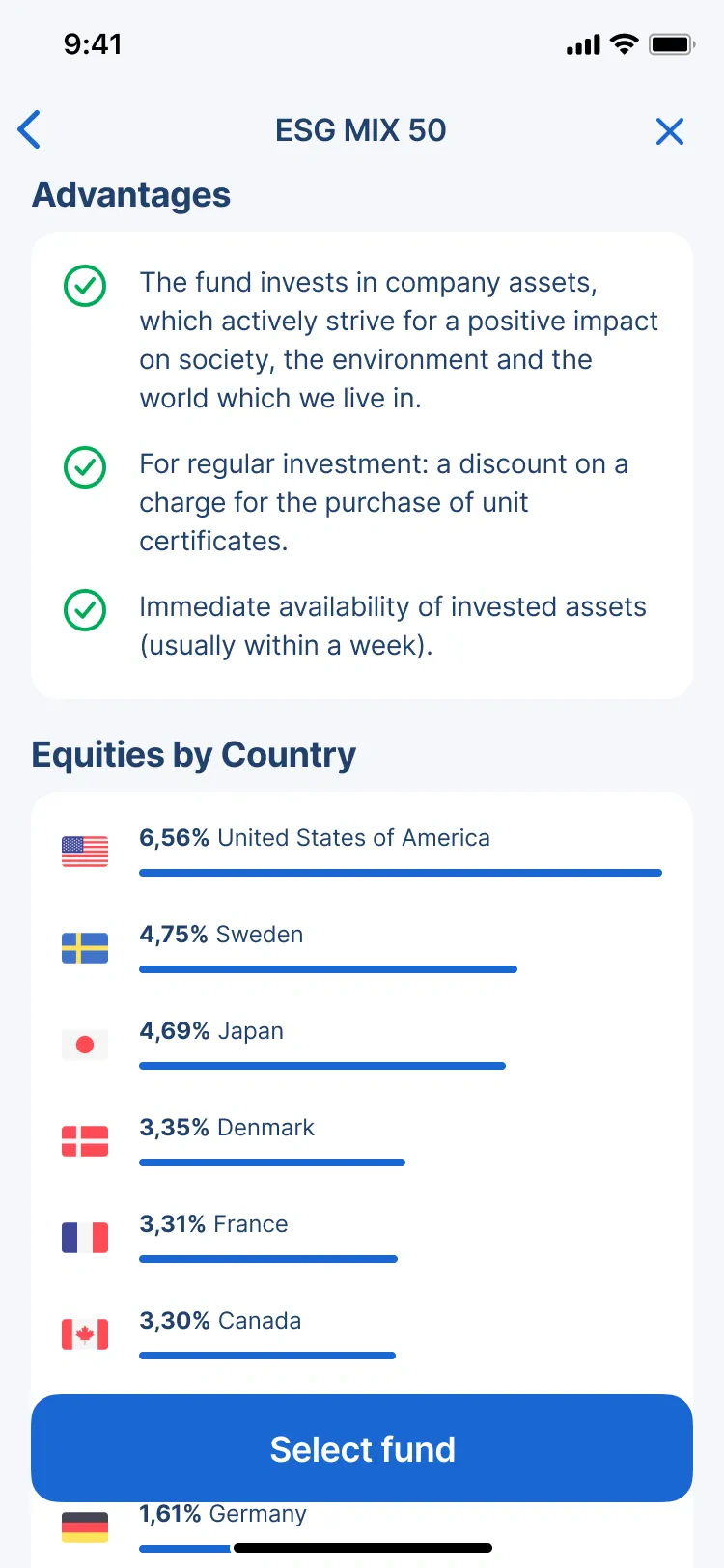
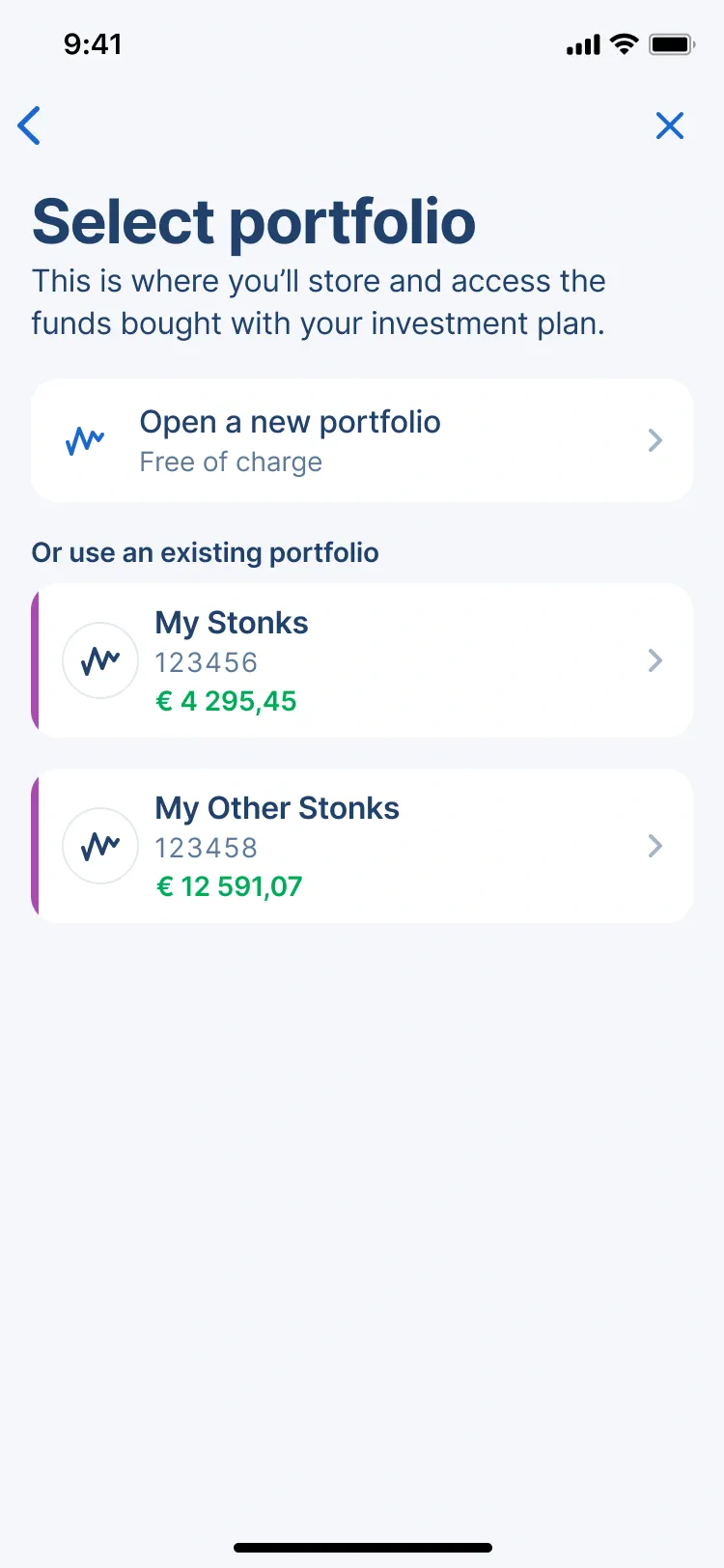
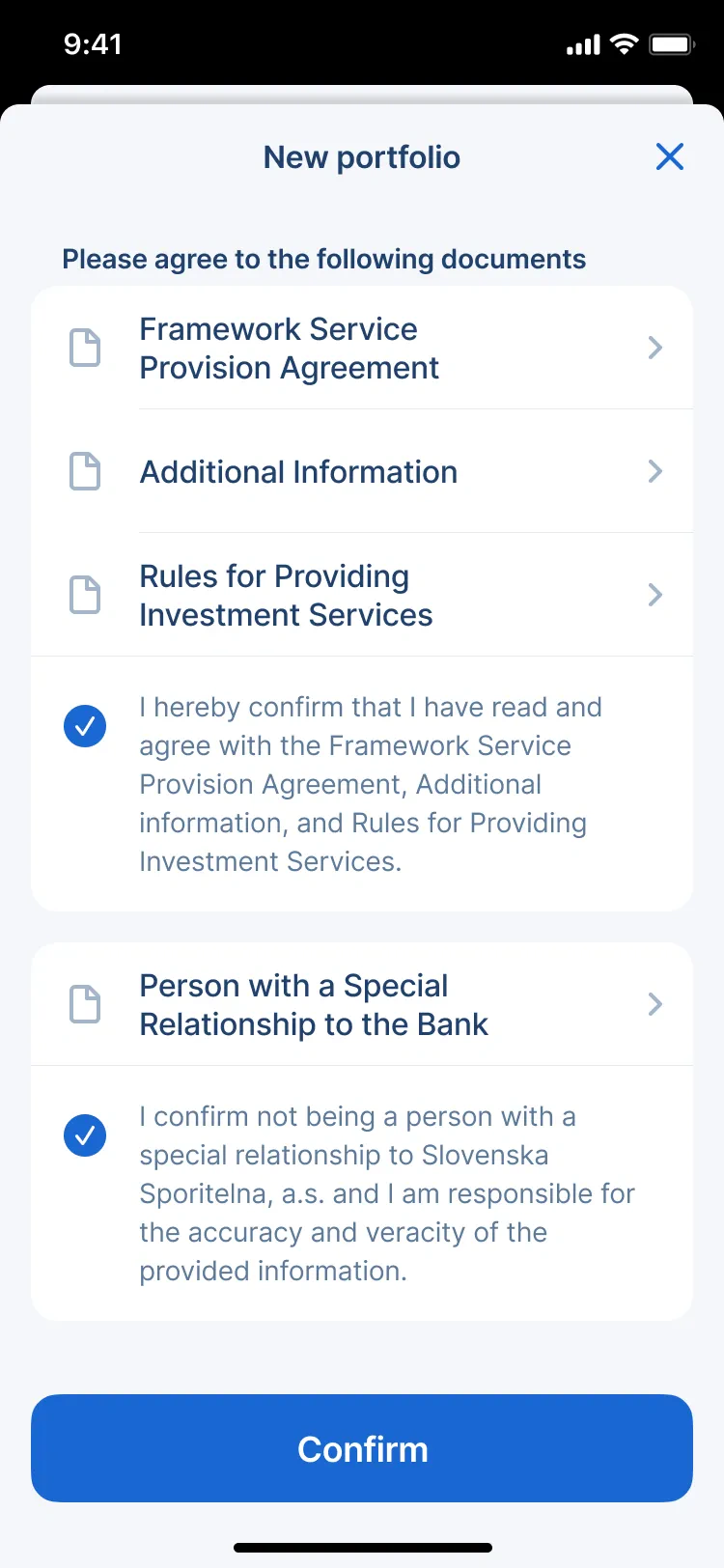
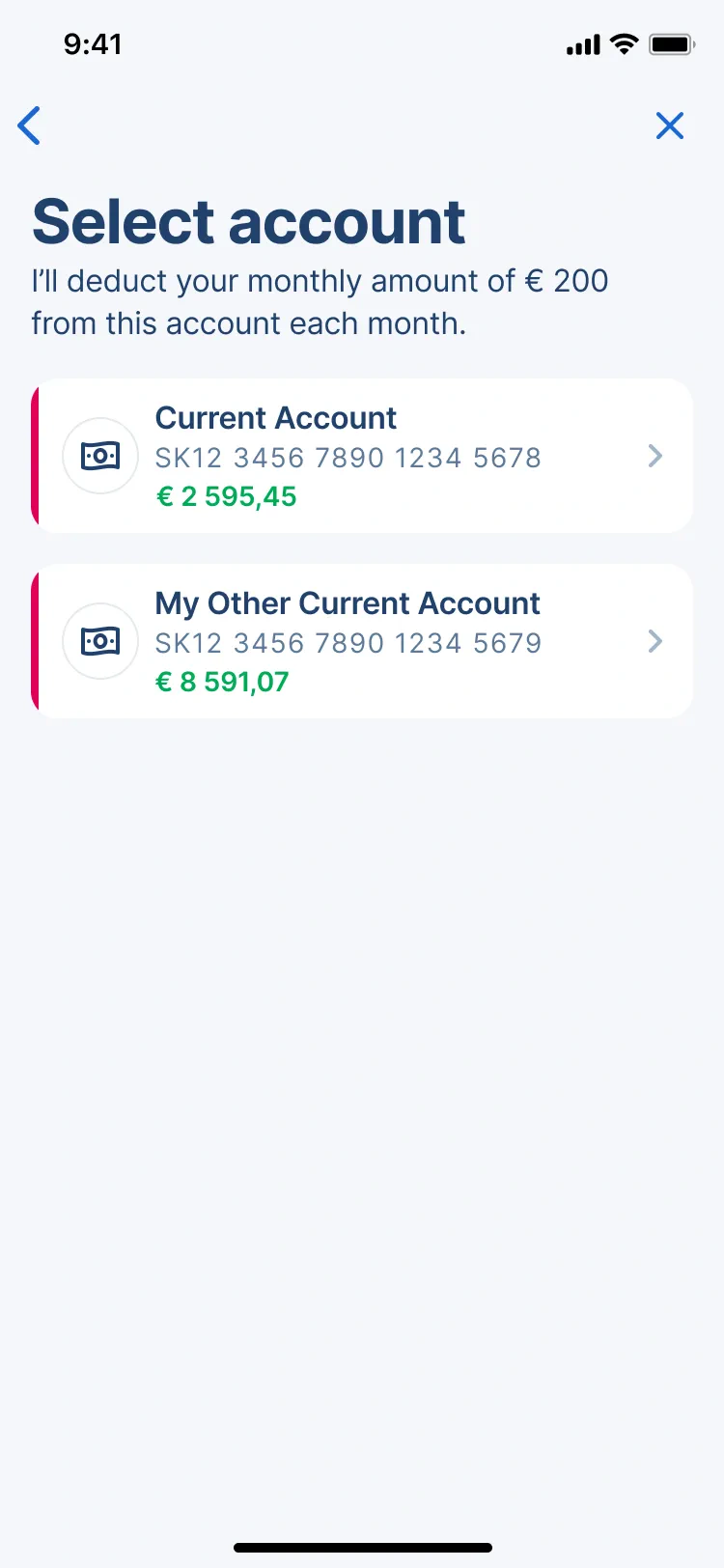
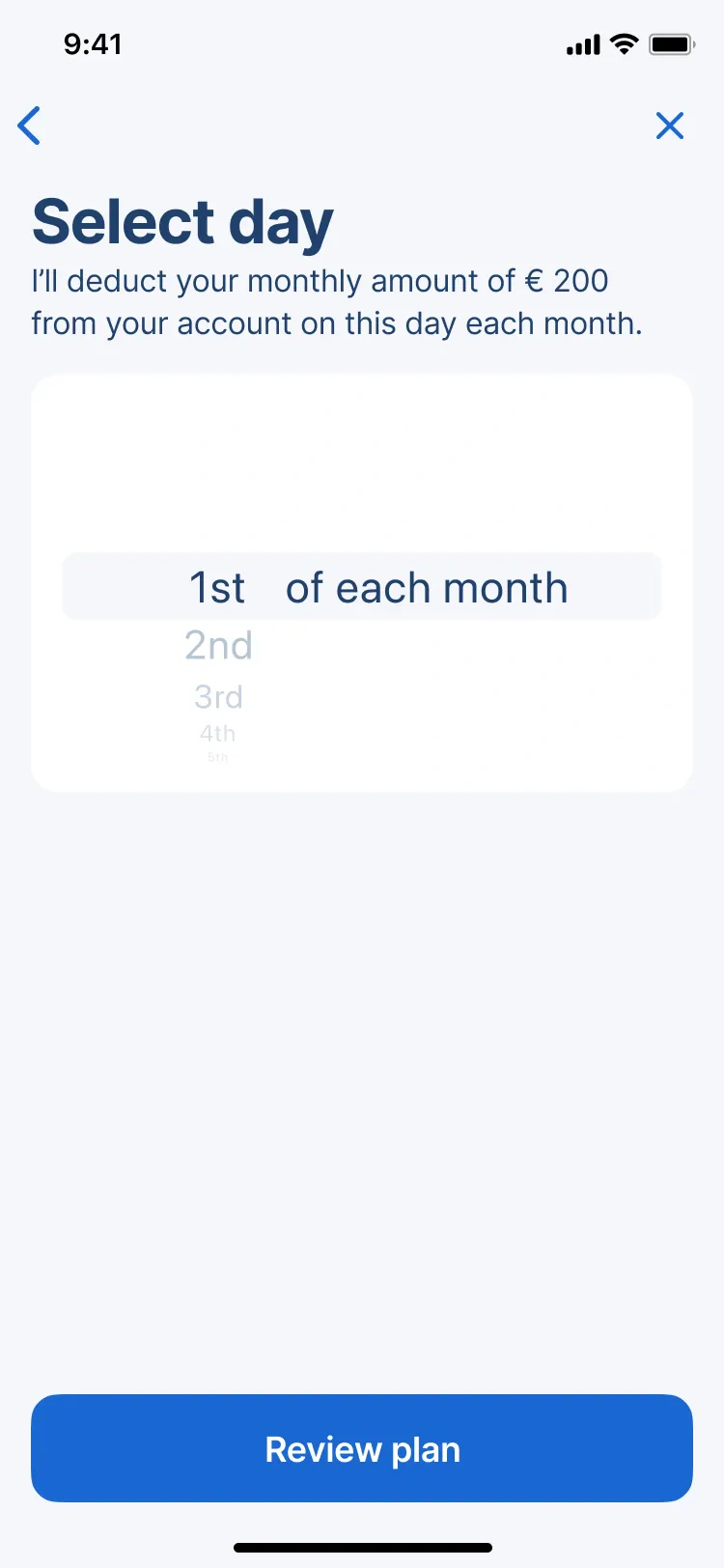
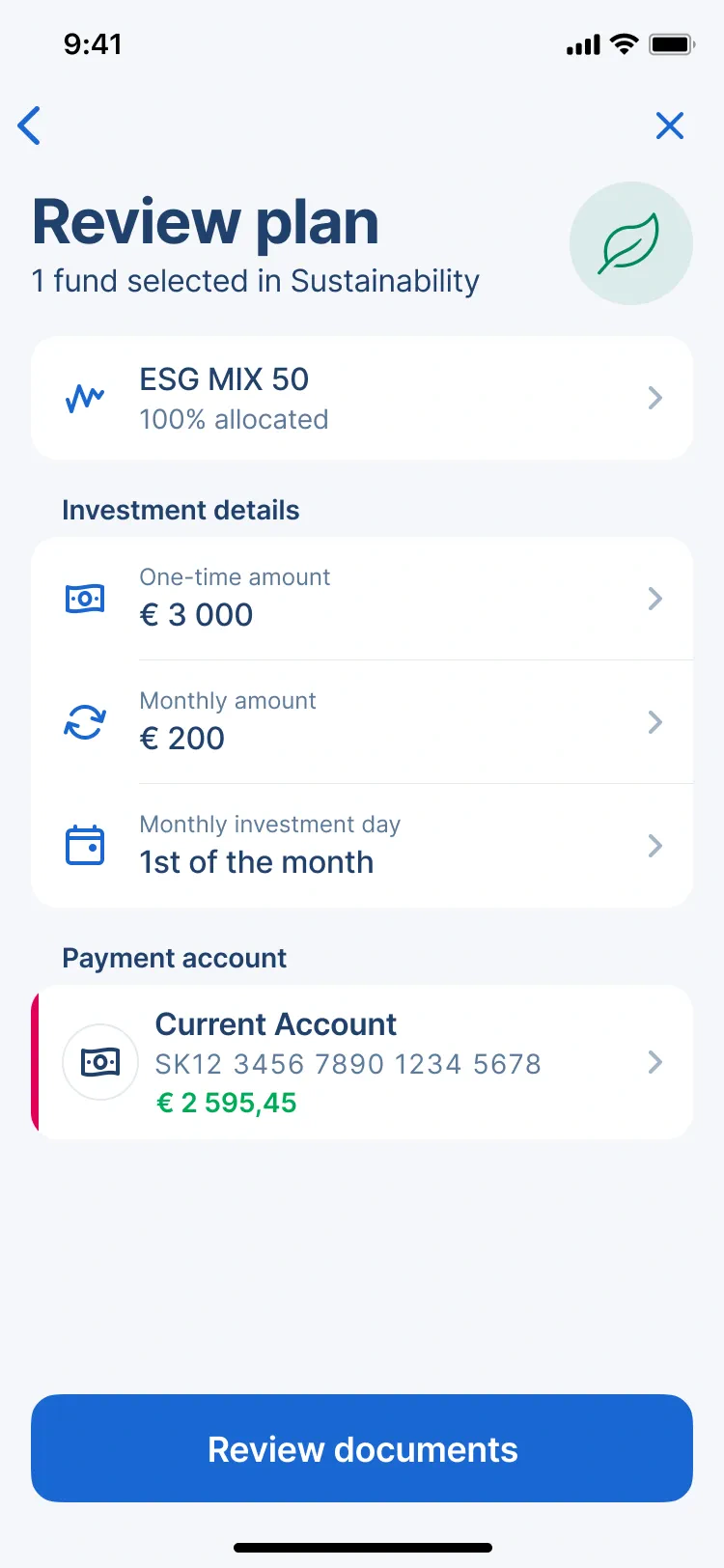
I implemented the learnings from the user tests into the high-fidelity designs. This continuously evolved with feedback from designers, copywriters, developers, user researchers, business analysts, product owners, and local country peers. Our modular approach allowed us to define components that we could later reuse in other products.
Implementation
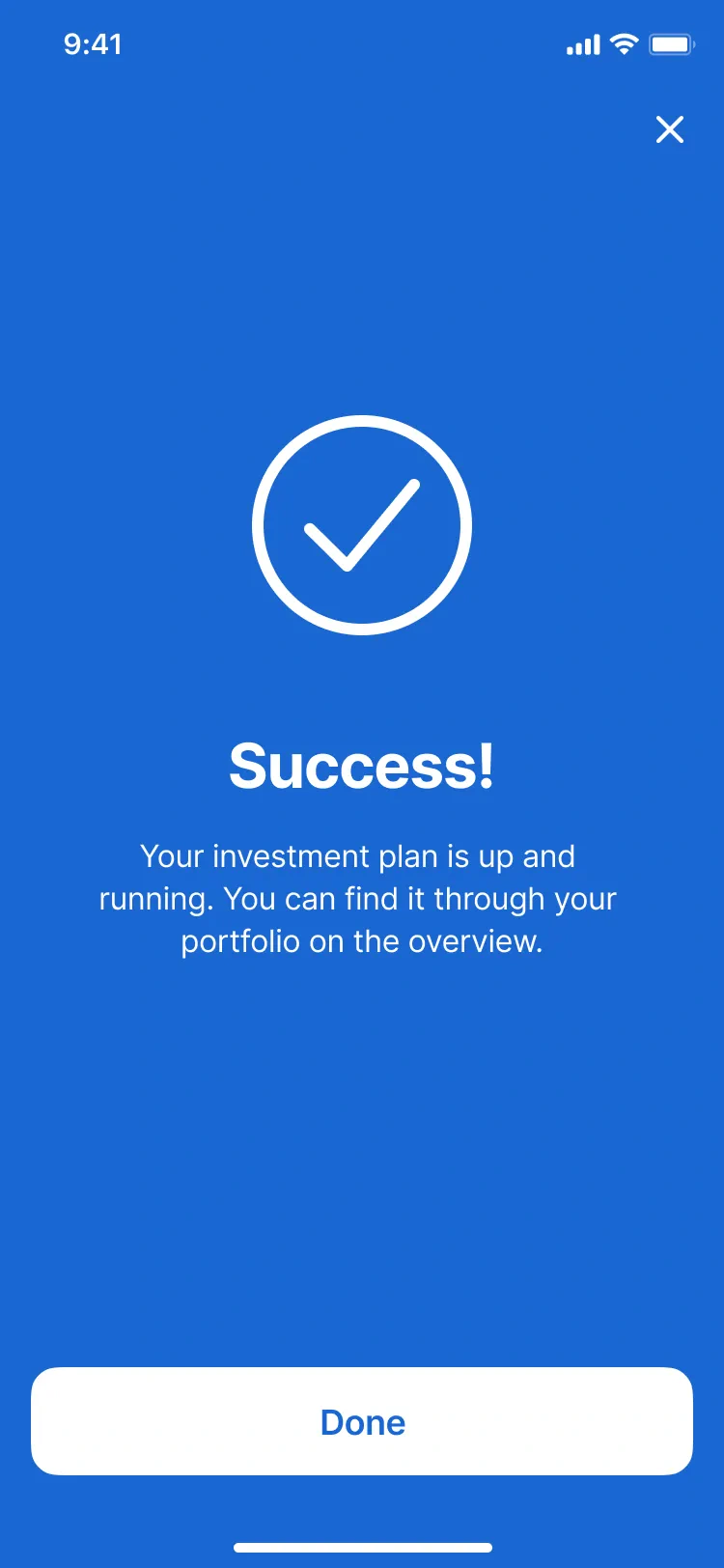
I closely collaborated with developers during the implementation. I provided detailed specifications in Figma, which also accounted for edge cases. This approach reduced the need for backtracking and covered all possible scenarios. My extensive research allowed me to provide clear reasoning for my design decisions, which reassured the developers that we were building the right solution. Overall, my collaboration resulted in a seamless implementation of the Personal Investment Plan feature.
6. How
Measure success
and learn
To determine the success of our Personal Investment Plan feature, we defined various anonymized events that would indicate the user’s progress in the flow and their actions on the various screens. We separated these events into flow-scoped and screen-scoped events, which gave us valuable insights into our users’ behavior while keeping their identities private.
Our initial launch of the product was a silent launch, which gave us limited data on its performance. However, we have already determined a few key findings regarding the initial screens in the flow. We plan to improve them by providing more detailed information and launching a marketing campaign in all countries.
Given the opportunity to approach this project a second time, I would advocate for simplifying the underlying offering of banking products. This would make the solution easier for everyday users to understand. Our current setup of offering investment into various themes containing funds, which themselves contain stocks, bonds, and other assets, while highly diversified and low-risk, can be overwhelming for beginner investors. By positioning the funds on the highest level, we could simplify the nested structure of our offering and make it more accessible for new investors.
Selected Works

George Native TradingView Full Project ➜

George Design SystemView Full Project ➜

ING Online BankingView Full Project ➜

ING Loan CalculatorView Full Project ➜

TourRadar ReviewsView Full Project ➜

TourRadar DashboardView Full Project ➜

Seekda OnboardingView Full Project ➜

Seekda Hotel Booking PortalView Full Project ➜